The NFT world changes fast. One moment everyone is collecting digital art, the next moment brands, creators, and gamers are exploring new ways to use tokens in daily life, driven by evolving NFT market trends. That shift can feel exciting and confusing at the same time. You look around and wonder which trends truly matter and which ones are just noise.
The good thing is that NFTs in 2026 are becoming more practical, more useful, and easier for people to understand. Below are the trends that will genuinely shape the future of NFTs in the coming year.
1. NFTs that evolve with you
Most people think of NFTs as static images, but that idea is slowly fading. In 2026, dynamic NFTs / AI generated NFTs will feel like a natural part of digital ownership. These tokens can change based on time, your behaviour, real-world events, or even milestones inside games and communities.
Imagine owning an NFT that grows with your journey. Maybe it gains new artwork as you attend events or unlocks new perks as you become more active in a community. These living NFTs feel personal, and that emotional connection is a big reason creators and brands are embracing them.
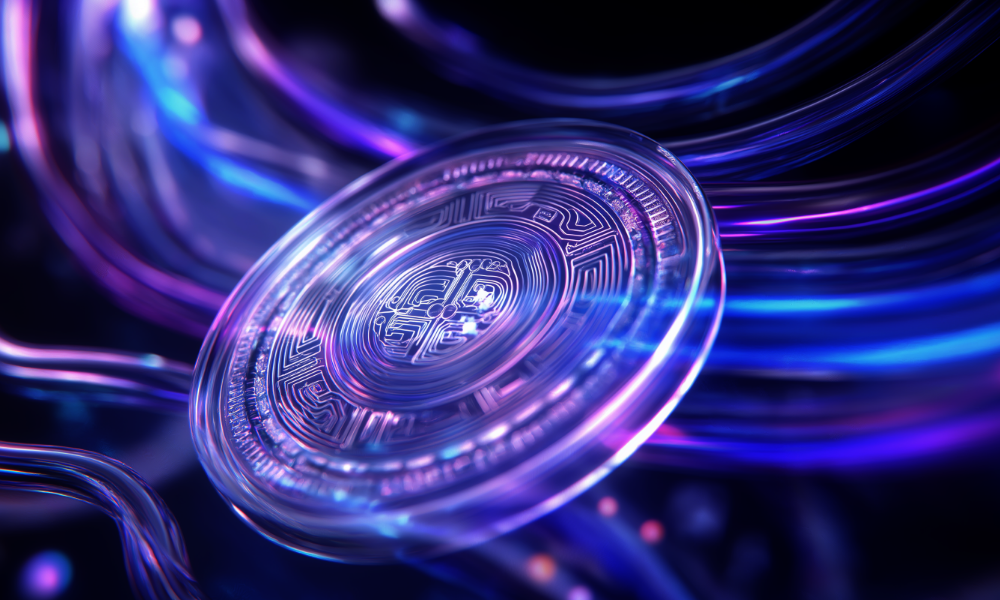
AI is improving this trend even further. Instead of one artwork for everyone, AI can create pieces that are unique to each owner. This gives NFTs a more human touch and highlights the real benefits of NFTs, making collecting feel fresh again.
2. Shared ownership becomes normal
Some NFTs are expensive and out of reach for most people. This raises the question many ask: are NFTs still worth it? Fractional ownership is becoming more accepted as a solution. Instead of one person holding a high-value NFT, a group can own shares, making rare assets more accessible and opening the door for new types of communities.
Beyond that, shared ownership increases liquidity. It allows collectors to trade their portion without needing to sell the entire asset. In 2026, you will see clearer rules around how revenue is distributed, how voting works and how legal rights are handled. This structure makes fractional NFTs feel more trustworthy and ready for larger audiences.
3. Real-world assets finally move on-chain
One of the biggest shifts is the rise of NFTs for real world assets. This includes property, physical artwork, rare collectibles, invoices, and even event tickets. The reason is simple. Tokenization makes ownership easier to prove, faster to transfer, and far more transparent.
In 2026, more regulated platforms will allow investors to buy fractions of assets they could never afford before, like luxury apartments or fine art. This makes the NFT space more practical and brings serious players into the ecosystem. The line between digital and physical ownership will become thinner than ever.
4. NFTs as access, membership and rewards
Utility is becoming the heart of the NFT conversation. People want more than a picture. They want benefits, access, and meaningful experiences. That is why NFT membership access is growing fast. A single token can unlock event invites, discount tiers, early product releases, or even voting power in a brand’s decisions.
Communities value these utility NFTs because they feel more like belonging than collecting. Brands love them because they help create long-term loyalty instead of one-time purchases. In 2026, you will see cleaner user flows and easier onboarding so regular customers can access these perks without knowing blockchain technology deeply.
5. Games shift from hype to quality
There was a time when play-to-earn games exploded in popularity, but most of those models were not sustainable. Players made money, but the games were not fun. That is changing. Developers are focusing on play and earn NFTs, where the game is enjoyable first, and NFTs support the experience rather than dominate it.

Players can expect items, skins, land and equipment that hold real value while still fitting naturally into gameplay. Interoperability will also grow. This means an item you earn in one game may eventually be used in another. Renting NFTs for short-term gameplay will become more common too. The focus is on fairness, balance and long-term value.
6. Cheaper minting and cross-chain movement
Expensive gas fees pushed many people away from NFTs, but 2026 brings relief. Layer 2 networks and efficient chains make minting affordable and quick. Creators can launch collections without high costs and buyers can trade without worrying about fees.
Another important shift is NFT interoperability. Moving an NFT from one blockchain to another is becoming easier through bridges and new standards. This flexibility lets creators reach bigger audiences, and collectors explore more ecosystems without being locked in.
7. Regulation brings clarity
The NFT space has always felt a bit wild, but that cannot continue as real money and real assets enter the market. Governments are preparing clearer guidelines around NFT legal rights, including taxation, identity verification, and rights management. Instead of slowing growth, this transparency will make it easier for serious brands and institutions to participate.
There will also be more focus on copyright rules, especially for AI generated artworks. Platforms will start showing clearer information about provenance, licensing and originality. This builds trust and reduces disputes.
8. Brands and institutions become major players
Big brands are no longer experimenting. They are building long-term NFT strategy for brands that go beyond short-term hype. Fashion houses are making digital collectibles tied to real product releases. Music labels are exploring ways to give fans partial rights to songs. Sports leagues are linking NFTs to real experiences like locker room access or limited edition merchandise.
Institutions are also entering the space with funds dedicated to digital assets. This will push marketplaces to improve security, customer service and professional tools. With this level of involvement, NFTs will feel less niche and more like part of everyday digital life.
9. Creators get more ways to earn
Creators want independence from platforms that control their reach. NFTs for artists and creators are giving them that. In 2026, creator-focused NFT tools will be easier to use, even for people with no technical background. Artists will have storefronts, subscription NFTs, token-gated content, and new ways to reward loyal fans.
This shift helps creators build closer relationships with their audience while maintaining ownership of their work. It also gives fans a more direct way to support the people they admire.
10. Sustainability becomes a real priority
Environmental concerns have followed NFTs since the beginning, but eco friendly NFTs are finally here. Energy-efficient chains are becoming the default. Many platforms are introducing carbon tracking and offset options to make transactions more responsible.
Collectors appreciate transparency in how items are made, how royalties are paid and how artists are protected. Ethical design is becoming a strong selling point, especially for brands that care about long-term reputation.
Final Thoughts
2026 feels like a turning point for NFTs. The excitement is still there, but now it is supported by real products, real use cases, and real value. The smartest approach is to understand the key NFT trends 2026 and how NFTs are becoming part of daily life. Whether you collect, invest, or create, the year offers more opportunities than ever.
To make the most of these opportunities, partner with Genx Media. From strategy to execution, we provide expert guidance and tailored solutions to help your NFTs succeed. Contact us today for the best NFT services.